The aftercare that decides how good your SMP results actually look
After scalp micropigmentation, avoid water, sweating, shaving and sun exposure for the first four days, then follow a structured washing and SPF routine through to full healing at 30 days.
Scalp Studio
Updated 6 August 2026
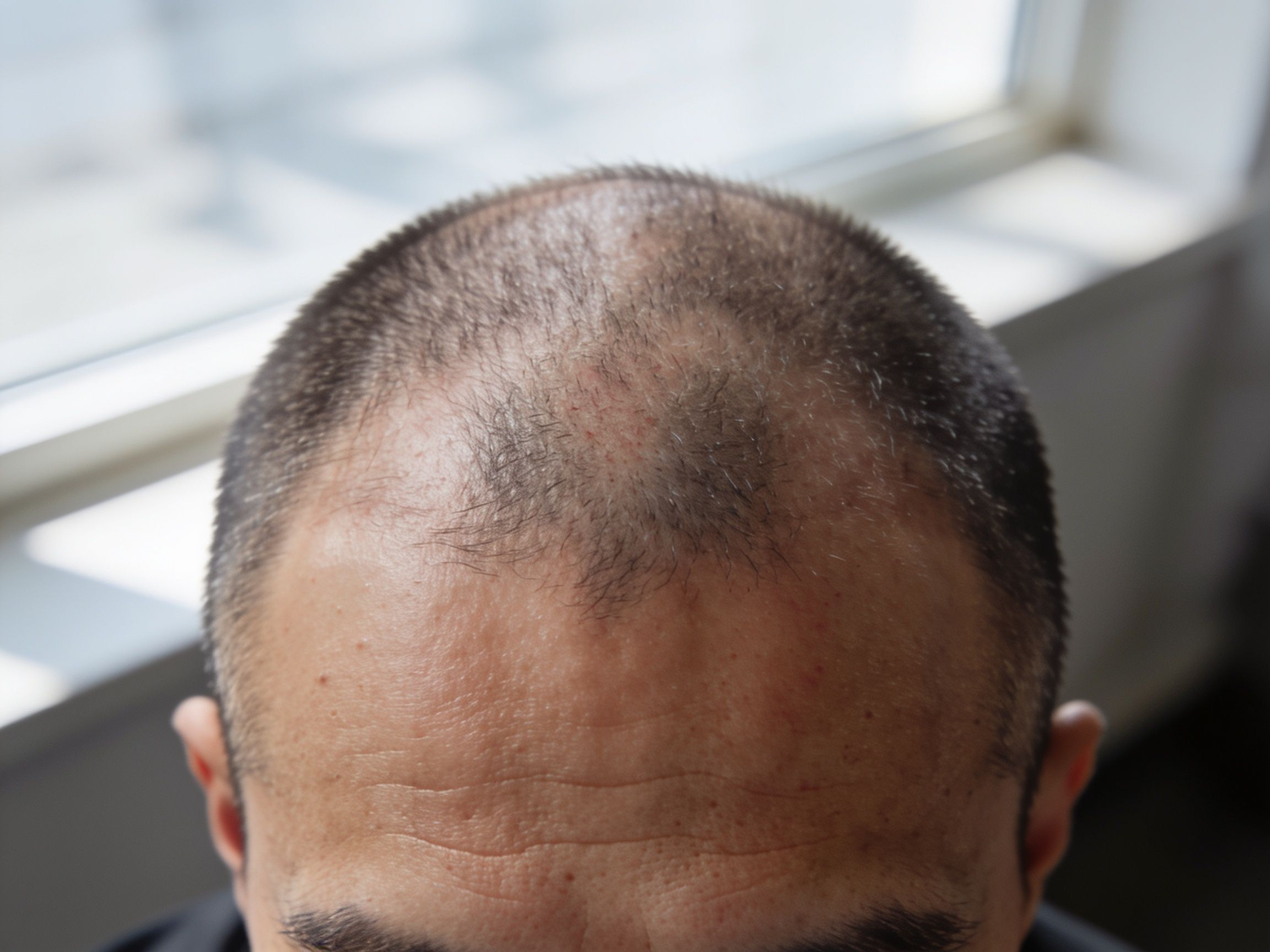
You have just had your first SMP density session and the dots look sharper than you expected. The question now is whether they will still look that way once everything heals. Aftercare is where most men either protect their investment or quietly undermine it. This article walks you through exactly what to do, day by day, and explains what happens to the pigment when you do not follow the protocol.
What is actually happening inside your scalp during the first 30 days
Understanding the biology makes the rules easier to follow. During a male density SMP session, medical-grade pigment is deposited at a depth of around 1.5 to 2 millimetres into the dermis using a needle cycling at 100 to 150 cycles per second. The dots are precise, but the tissue around them is temporarily traumatised.
In the first 72 hours, your scalp is in active repair mode. Lymphatic fluid, minor swelling and redness are normal. The surface of each pigment dot is effectively an open micro-wound. Anything that disturbs the healing epidermis, such as water, sweat, friction or bacteria, risks pulling pigment out before it has anchored properly, or pushing contamination into the site.
Epidermal pigment clears within approximately 27 days via natural stratum corneum turnover. This is why density sessions are spaced several weeks apart: each session builds on the settled pigment from the last. If you compromise healing during the first four days, you will notice patchiness at your next appointment and will need additional passes to compensate.
The first four days: the non-negotiable window
Days one to four are the period during which poor aftercare causes the most visible damage. The rules are straightforward and there are no workarounds.
No water on the scalp. That means no showering with water running over your head, no washing your hair, no swimming, no sauna, no steam room, and no heavy rain without covering your scalp. If you need to shower, lean forward and keep the spray below your neck.
No sweating. The salt content of sweat is abrasive to fresh pigment, and the moisture itself disturbs the healing skin. Skip the gym, the five-a-side, and any activity that raises your body temperature significantly. This is the rule most men resist. Skipping one week of training will not affect your fitness; it will, however, affect how cleanly your pigment sets.
No shaving. The scalp needs to be left completely undisturbed. Running a blade over fresh dots risks both pigment loss and infection.
No touching, picking or scratching. As the skin heals, it may feel tight or slightly itchy. This is normal. Do not scratch. Do not apply any product, including moisturiser, oils or post-shave balms, unless your practitioner has explicitly prescribed something for that window.
Days five to ten: careful reintroduction
By day five, the surface layer has started to close over. You can begin gentle washing, but the word gentle is doing real work here. Use lukewarm water rather than hot. Pat dry with a clean towel rather than rubbing. Avoid any shampoo containing sulphates, alcohol or strong fragrance during this phase, as these can strip pigment that has not yet fully settled into the dermis.
Sun exposure remains off-limits. Ultraviolet radiation is one of the primary long-term causes of SMP fading, and your scalp's defences are still compromised. A hat or cap when outdoors is the simplest solution. Avoid applying SPF directly to the scalp until day ten, because chemical sunscreen applied before the skin has fully closed can cause irritation or pigment displacement.
Initial redness typically subsides within two to three days of your session. By day seven, most men notice the treated area looks slightly lighter and more muted than it did immediately after the session. This is normal. The surface cells are turning over, and what you are seeing is not the final healed result; it is a transitional phase. Wait the full 30 days before forming any judgements about coverage or tone.
Day ten onwards and long-term pigment care
From day ten, you can return to normal grooming. Shaving with a blade or a foil shaver is fine. Regular shampooing is fine. The scalp has healed sufficiently that routine activity will not disturb the settled pigment.
The single most important long-term habit you can build from this point is SPF application. Practitioners recommend SPF 30 to 50 applied to the scalp daily, or whenever you are spending time outdoors. Sun exposure accelerates fading by breaking down dermal pigment over time. Men with shaved or closely cropped scalps have no natural protection from their hair. A daily SPF takes 30 seconds to apply and measurably extends the life of your SMP results.
Avoid swimming pools for the full 28 days after your final session. Chlorine is harsh on healing skin and can affect pigment tone, particularly during the early settling phase.
SMP results typically last between three and eight years before a touch-up is needed, depending on your skin type, sun habits and lifestyle. Oily skin, high sun exposure and faster cellular metabolism all accelerate fading. Dry skin, consistent SPF use and avoiding prolonged sun exposure support longer-lasting results. Most men find they return for a single maintenance session every three to five years, which is a modest commitment relative to the longevity of the result.
One final point worth knowing: scarring alopecia and areas treated over scar tissue tend to fade faster than androgenetic cases treated on healthy scalp. If your density session included work over any scarred area, factor that into your touch-up timeline and be especially diligent with SPF over those zones.
Frequently Asked Questions
Can I go to the gym after a scalp micropigmentation session?
No. For the first four days after an SMP session, you should avoid any exercise that causes sweating. Sweat contains salt and moisture that can disturb fresh pigment before it has anchored properly, leading to patchiness. From day five, light activity is generally acceptable, but avoid intense training until day ten, when the scalp has healed more fully.
When can I shave my head after scalp micropigmentation?
You should avoid shaving entirely for the first four days after an SMP session. From day ten onwards, once the scalp has healed sufficiently, you can resume shaving with a blade or foil shaver as normal. Shaving too early risks pigment displacement and increases the chance of infection at the micro-wound sites created during treatment.
Why does my SMP look faded after a week?
It is normal for SMP to appear lighter or more muted around days seven to ten. This is a transitional healing phase during which surface epidermal cells are turning over, and the result you see is not the final settled outcome. Full healing takes approximately 30 days. Judging coverage or pigment tone before that point is premature, as the result clarifies as healing completes.
What products should I avoid after a scalp micropigmentation treatment?
In the first ten days after SMP, avoid any shampoo containing sulphates, alcohol or strong fragrance, as these can strip unsettled pigment. Do not apply moisturisers, oils or post-shave balms unless prescribed by your practitioner. From day ten onwards, most standard grooming products are fine, and daily SPF 30 to 50 on the scalp is actively recommended to slow long-term fading.
How often will I need a touch-up after scalp micropigmentation?
Most men need a touch-up session every three to five years, though SMP results can last up to eight years depending on lifestyle and skin type. Factors that accelerate fading include high sun exposure, oily skin and faster cellular metabolism. Consistent daily SPF application and avoiding prolonged sun exposure are the most effective habits for extending the longevity of your results between appointments.
Frequently asked questions
- Can I go to the gym after a scalp micropigmentation session?
- No. For the first four days after an SMP session, you should avoid any exercise that causes sweating. Sweat contains salt and moisture that can disturb fresh pigment before it has anchored properly, leading to patchiness. From day five, light activity is generally acceptable, but avoid intense training until day ten, when the scalp has healed more fully.
- When can I shave my head after scalp micropigmentation?
- You should avoid shaving entirely for the first four days after an SMP session. From day ten onwards, once the scalp has healed sufficiently, you can resume shaving with a blade or foil shaver as normal. Shaving too early risks pigment displacement and increases the chance of infection at the micro-wound sites created during treatment.
- Why does my SMP look faded after a week?
- It is normal for SMP to appear lighter or more muted around days seven to ten. This is a transitional healing phase during which surface epidermal cells are turning over, and the result you see is not the final settled outcome. Full healing takes approximately 30 days. Judging coverage or pigment tone before that point is premature, as the result clarifies as healing completes.
- What products should I avoid after a scalp micropigmentation treatment?
- In the first ten days after SMP, avoid any shampoo containing sulphates, alcohol or strong fragrance, as these can strip unsettled pigment. Do not apply moisturisers, oils or post-shave balms unless prescribed by your practitioner. From day ten onwards, most standard grooming products are fine, and daily SPF 30 to 50 on the scalp is actively recommended to slow long-term fading.
- How often will I need a touch-up after scalp micropigmentation?
- Most men need a touch-up session every three to five years, though SMP results can last up to eight years depending on lifestyle and skin type. Factors that accelerate fading include high sun exposure, oily skin and faster cellular metabolism. Consistent daily SPF application and avoiding prolonged sun exposure are the most effective habits for extending the longevity of your results between appointments.
More on Male Density
Male Density
SMP or a hair transplant: which one actually suits your hair loss?
Weighing up SMP against FUE or FUT? Here's how cost, downtime and longevity compare, so you can pick the option that fits your stage of hair loss.
Male Density
Thinning hair in men: can scalp micropigmentation actually make it look denser?
Thinning hair men worry SMP will look fake. Here's exactly how many sessions it takes, what healed results look like, and who's a genuine candidate.
Male Density
How long does scalp micropigmentation really last for men, and when do you actually need a touch-up?
SMP for male density lasts 3–8 years before fading shows. Learn which factors speed up colour loss and what a refresh session actually involves.