How many SMP sessions does it actually take?
Most people require two to four scalp micropigmentation sessions, spaced 7 to 14 days apart, to build a fully healed, natural-looking result.
Scalp Studio
Updated 6 August 2026
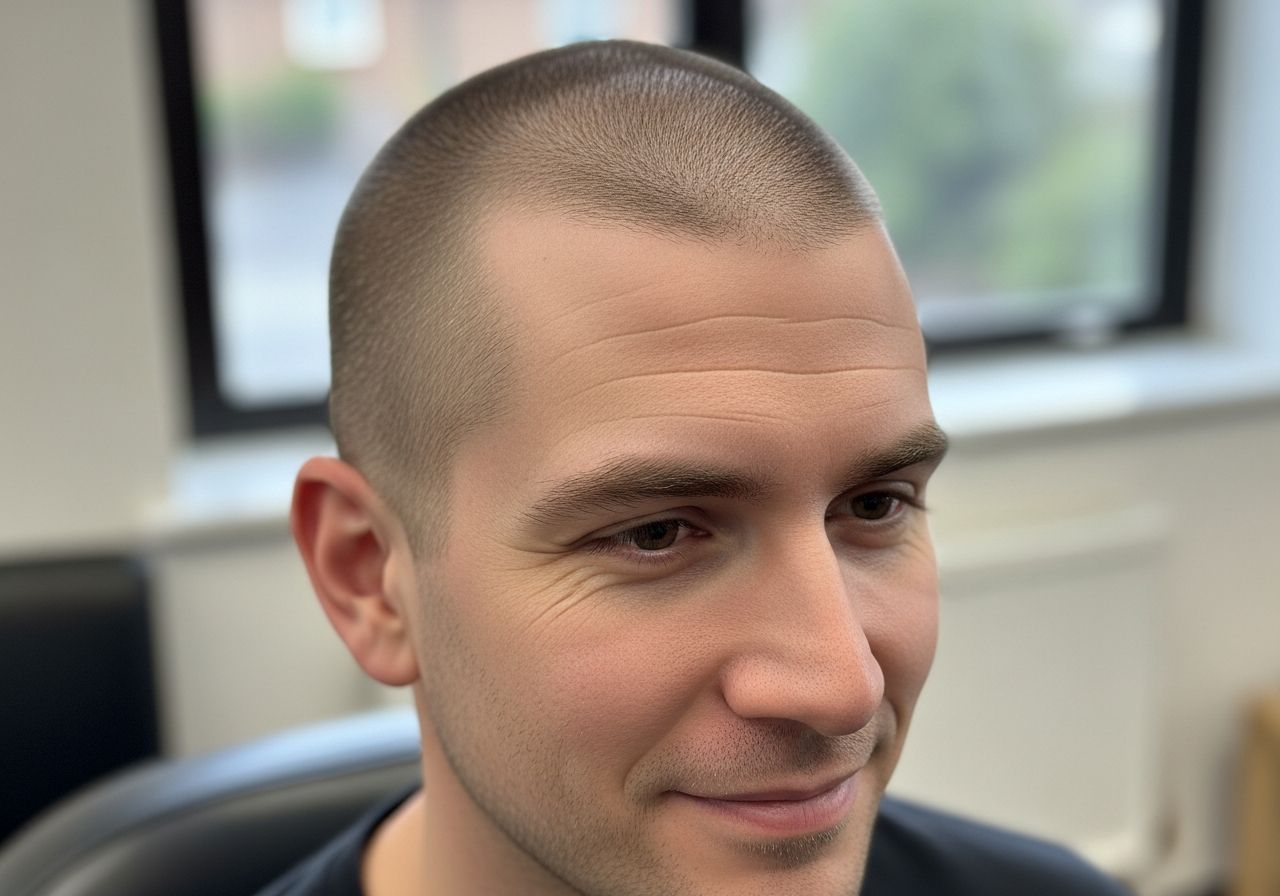
You have decided SMP is the right move, and now you are trying to work out how long the whole process actually takes. How many appointments, how many weeks out of your diary, and what will your scalp look like in between? This article breaks down the session structure from first appointment to final healed result, so you know exactly what to expect before you book.
Why SMP requires more than one session
Scalp micropigmentation deposits medical-grade pigment into the upper layer of the dermis using a precision needle device. It creates the visual impression of hair follicles, and the results are built up gradually rather than delivered in a single sitting. One session would either overload the scalp tissue or produce a result that looks unnatural and flat. Multiple sessions allow the density to be layered in stages, matching the way real hair follicles naturally vary in tone and depth across the scalp.
The pigment also behaves differently in fresh skin versus healed skin. After the first session, some pigment is lost through the natural skin renewal process as the epidermal layer sheds. The second and third sessions compensate for that loss and deepen the result once the scalp has stabilised. Think of it less like painting and more like building up a photograph in developing fluid, with each pass revealing more of the final image.
Most clients require two to four sessions in total. Two sessions is typical for clients with early-stage hair loss or those using SMP to add density rather than achieve full coverage. Three sessions is the standard for most shaved-head looks and moderate-to-advanced hair loss. A fourth session is sometimes needed for scarring alopecia or heavily treated areas where pigment retention is lower.
What happens at each appointment
The first session is the longest, typically running three to five hours. This is where the hairline is mapped, the shade is matched to your existing hair and skin tone, and the foundation layer of pigment is applied. Dot density in this initial session is deliberately conservative, usually around 40 dots per square centimetre across the areas being treated. The result immediately afterwards looks noticeably darker and more defined than the finished result will be, which surprises some clients.
Between days one and four after the first session, the scalp looks slightly raised and intensely pigmented. That initial darkness fades significantly as the skin heals and the outer epidermal layer regenerates over approximately 27 days. By the time you return for the second session, typically 7 to 14 days later, the scalp will look lighter and more settled. This is completely normal and expected.
The second session refines and deepens the result. The practitioner builds on the healed foundation, increasing dot density to between 60 and 80 dots per square centimetre, adjusting the hairline if needed, and adding dimension by varying needle pressure and pigment shade slightly. A 0.2 mm single-point needle is used for the hairline border where precision is critical, while a wider 0.25 mm triple-point needle handles the vertex and crown. This session usually runs two to four hours.
If a third session is required, it follows the same 7 to 14 day gap and is typically shorter, lasting one to three hours. This session locks in final density, corrects any uneven areas, and ensures the result looks consistent from every angle and in different lighting conditions. After the third session, full healing takes approximately 30 days before the result is considered complete.
What your scalp looks like at each stage of healing
The healing timeline between sessions follows a predictable pattern, and knowing it in advance prevents unnecessary concern. In the first two to three days after any session, the treated area appears darker than the intended final result. There is mild redness that typically subsides within two to three days. The dots look crisp and prominent at this stage.
By days four to seven, the scalp begins to settle. Superficial pigment in the uppermost skin layers fades as the epidermis renews, and the dots soften visually. This can feel alarming if you are not expecting it. The result looks lighter, occasionally patchy, and less defined. This is not a sign that the treatment has failed; the skin is simply processing the pigment.
From day seven onwards and into the second session window, the healed pigment sitting in the dermal layer becomes visible as the surface calms down. The result looks more natural than it did immediately after treatment. This is the baseline the practitioner works from during the next session.
After the final session, the 30-day healing period applies in full. Avoid sun exposure, swimming pools, saunas and heavy exercise during this window. From day ten onwards you can resume gentle washing and normal grooming, but applying SPF 30 to 50 on the scalp becomes a permanent aftercare habit. Sun exposure is the primary accelerant of pigment fading, which is why consistent SPF application matters more than almost any other long-term aftercare step.
How long the result lasts and when to return
Once fully healed, a well-executed SMP result typically lasts three to eight years before a touch-up is needed. The range is wide because fading is influenced by individual factors including skin type, sun exposure habits, metabolism, and whether SPF is used consistently. Clients with oily skin or high sun exposure tend to fade faster. Those with drier skin who apply SPF regularly often sit comfortably at the longer end of that range.
A 2025 case series reported average visual density scores of 8.7 out of 10 immediately post-treatment, declining to 7.7 at six months, which gives a useful sense of how gradual the fade is in real terms. Scarring alopecia cases showed slightly greater fading than androgenetic cases, which is worth factoring in when setting expectations.
Touch-up appointments are typically shorter than original sessions, often a single two-to-three-hour visit, because the practitioner is refreshing and restoring rather than building from scratch. Most clients return every three to five years. Booking a touch-up before the result fades significantly is easier than waiting for it to disappear entirely.
Frequently Asked Questions
How many SMP sessions does the average client need?
Most clients require two to four scalp micropigmentation sessions. Two sessions often suits early-stage hair loss or density work. Three is the standard for a shaved-head look or moderate-to-advanced hair loss. A fourth session may be needed for scarring alopecia or areas with lower pigment retention.
Why do SMP sessions need to be spaced 7 to 14 days apart?
The gap allows the scalp to heal and the pigment to settle into the dermal layer before more pigment is added. Returning too soon risks overloading the tissue, causing pigment bleed or an unnatural result. Waiting the full 7 to 14 days gives the practitioner an accurate picture of how the skin has retained the previous session.
Why does my scalp look lighter between SMP sessions?
This is normal and expected. Pigment deposited in the uppermost epidermal layer sheds as the skin naturally renews, typically over 27 days. The dots soften and lighten during this process. The deeper dermal pigment remains and forms the stable base that subsequent sessions build upon. It is not a sign that the treatment has failed.
What aftercare is needed between scalp micropigmentation sessions?
For the first four days after each session, avoid washing the scalp, sweating heavily, swimming, or exposing the treated area to sun. From day five, gentle washing is permitted. Avoid sun exposure for the first ten days. After day ten, apply SPF 30 to 50 to the scalp as a daily habit to protect the pigment and slow fading.
How long after the final SMP session is the result fully visible?
Full healing takes approximately 30 days after the final session. Before that point the scalp is still processing the pigment and the result will continue to soften and settle. Judging the outcome before the 30-day mark is unreliable. Once healed, the result typically remains strong for three to eight years before a touch-up is needed.
Frequently asked questions
- How many SMP sessions does the average client need?
- Most clients require two to four scalp micropigmentation sessions. Two sessions often suits early-stage hair loss or density work. Three is the standard for a shaved-head look or moderate-to-advanced hair loss. A fourth session may be needed for scarring alopecia or areas with lower pigment retention.
- Why do SMP sessions need to be spaced 7 to 14 days apart?
- The gap allows the scalp to heal and the pigment to settle into the dermal layer before more pigment is added. Returning too soon risks overloading the tissue, causing pigment bleed or an unnatural result. Waiting the full 7 to 14 days gives the practitioner an accurate picture of how the skin has retained the previous session.
- Why does my scalp look lighter between SMP sessions?
- This is normal and expected. Pigment deposited in the uppermost epidermal layer sheds as the skin naturally renews, typically over 27 days. The dots soften and lighten during this process. The deeper dermal pigment remains and forms the stable base that subsequent sessions build upon. It is not a sign that the treatment has failed.
- What aftercare is needed between scalp micropigmentation sessions?
- For the first four days after each session, avoid washing the scalp, sweating heavily, swimming, or exposing the treated area to sun. From day five, gentle washing is permitted. Avoid sun exposure for the first ten days. After day ten, apply SPF 30 to 50 to the scalp as a daily habit to protect the pigment and slow fading.
- How long after the final SMP session is the result fully visible?
- Full healing takes approximately 30 days after the final session. Before that point the scalp is still processing the pigment and the result will continue to soften and settle. Judging the outcome before the 30-day mark is unreliable. Once healed, the result typically remains strong for three to eight years before a touch-up is needed.
More on Hair Tattoo (KW)
Hair Tattoo (KW)
What actually happens to your scalp in the weeks after SMP
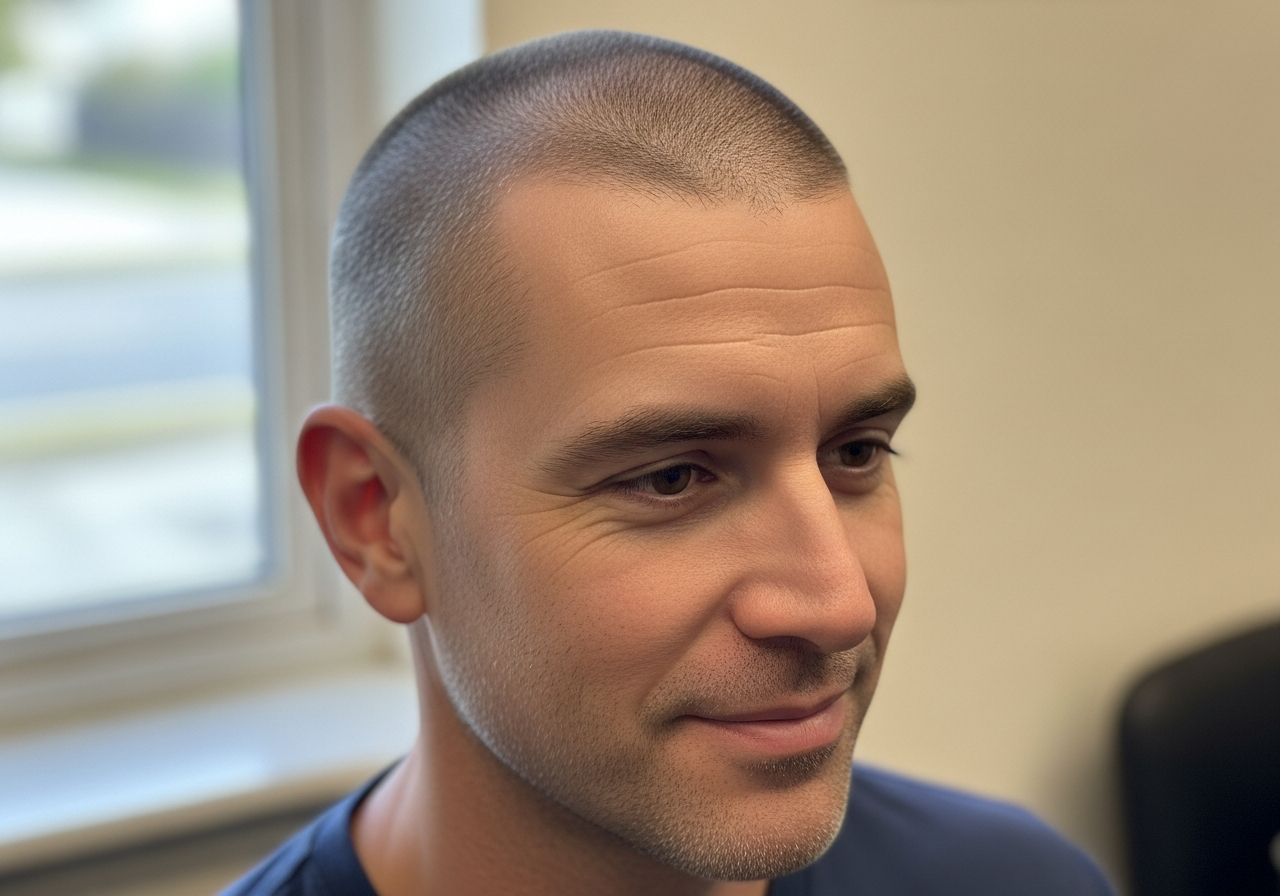
Wondering why your scalp looks darker one week and lighter the next? Here's the real week-by-week SMP healing timeline, from scabbing to final colour settling.
Hair Tattoo (KW)
SMP or hair transplant: 5 questions that decide which one is right for you in the UK
Weighing up scalp micropigmentation against a hair transplant? Here's how they compare on cost, downtime and results, so you can choose with confidence.
Hair Tattoo (KW)
5 things that make you a strong candidate for a hair tattoo (and 2 that rule it out)
Wondering if SMP is right for your hair loss? Here are the scalp conditions, skin types, and medical factors that determine whether you're a good fit.