Your scalp after SMP: what each week really looks like
The SMP healing timeline runs roughly 30 days: days 1-4 bring redness and tightness with no washing allowed, days 5-10 involve light scabbing and flaking as skin turns over, and from day 10 onwards the scalp calms down while pigment continues settling. The final, true colour and density aren't visible until around the one-month mark, once surface pigment has shed and only the deeper layer remains.
Scalp Studio
Updated 22 August 2026
You've just had your first SMP session and the scalp staring back in the mirror looks darker, sharper, almost too perfect. Then a week later it seems to fade and patch unevenly, and you start wondering if something's gone wrong. Nothing has: this is the exact pattern every SMP client goes through, and knowing what's normal at each stage stops you panicking over a healing process that's working precisely as it should.
The honest answer to what the SMP healing timeline looks like is this: expect roughly 30 days from treatment to settled result, with the scalp moving through visible redness, light scabbing, noticeable fading, and then a gradual return of depth as the pigment beds into the skin. What you see on day one is never what you'll be left with. That gap between immediate appearance and healed result catches almost everyone off guard, so it's worth walking through it properly.
Days one to four: what your scalp looks and feels like straight after
Immediately after a session, your scalp will look bolder and darker than the finished result ever will be. That's normal. The pigment sits close to the surface at this point, and there's usually mild redness or tenderness across the treated area, similar to a light graze.
This is the strictest window of aftercare. No water on the scalp, no shampoo, no sweating, and no shaving for the first four days. Sweat and moisture can pull pigment out of the skin before it's had a chance to settle, which is why gym sessions, saunas, and even a hot, stuffy commute are worth avoiding entirely during this stretch.
Sleeping can feel awkward too, since lying directly on a tender scalp isn't comfortable for most people. A clean pillowcase, changed daily, is a small detail that genuinely helps reduce irritation.
Days five to ten: scabbing, flaking, and the fading that worries people most
Around day five, the scalp usually starts to feel less sensitive, and this is when light scabbing or dry flaking tends to appear. It looks like fine dandruff more than anything dramatic, and it's your skin doing exactly what it should: shedding the top layer of epidermis, which naturally carries some surface pigment away with it.
This is the stage where SMP fading after the first session becomes obvious, and it's also the stage that causes the most unnecessary worry. The colour can look patchy, lighter than expected, or uneven in places. That's the epidermal pigment clearing, roughly on a 27-day turnover cycle, while the deeper dermal pigment stays put and is what determines your long-term result.
You can resume gentle washing from around day five, using lukewarm water and patting rather than rubbing the scalp dry. Sun exposure still needs to be avoided completely during this window, since UV can both irritate healing skin and accelerate pigment breakdown before it's had time to stabilise.
Day ten onwards: when the true colour starts to show
By day ten, most of the visible scabbing has usually cleared, and the scalp starts to look and feel like your own skin again rather than a healing wound. This is roughly when SPF becomes essential, not optional. Applying SPF 30 to 50 on the scalp from this point protects the settling pigment from UV-driven fading, which is one of the biggest factors in how long results last.
Normal grooming, including a gentle shave with a clean razor, can typically resume from day ten as well, though it's sensible to be gentle rather than aggressive with the blade for the first few weeks. Swimming pools are the one thing to hold off on for longer: chlorine and prolonged water exposure are best avoided for a full 28 days.
Full healing, meaning the pigment has settled at its final depth and the skin has completely recovered, takes about 30 days. Most SMP treatment plans involve two to four sessions spaced several weeks apart, and each subsequent session goes through this same cycle, though the redness and sensitivity tend to be milder once the scalp has been through it once before.
It's worth setting expectations around longevity too, since healing and fading are two different processes. Once fully healed, SMP results typically last four to eight years before colour softens enough to need a touch-up, with most people booking a refresh every four to six years depending on skin type, sun exposure, and how oily or dry their scalp naturally is.
Getting scalp micropigmentation aftercare right in the UK climate
Scalp micropigmentation aftercare in the UK comes with its own quirks, mostly around unpredictable weather rather than heat. Even on overcast days, UV exposure adds up, so SPF on the scalp isn't a summer-only habit once you're past day ten; it's a permanent part of protecting the investment you've made.
Central heating and dry indoor air during colder months can also leave a healing scalp feeling tight or flaky for longer than expected, so a fragrance-free moisturiser recommended by your practitioner can help once you're past the no-product stage. Gyms, contact sports, and swimming are the three habits that most commonly get people into trouble during the healing window, simply because sweat and chlorine both interfere with how pigment settles.
If you're comparing SMP against other options for hair loss, such as a hair transplant or topical treatments, it helps to know that SMP carries none of the surgical downtime associated with transplant procedures. There's no incision to heal and no graft to take, just skin adjusting to pigment, which is why the timeline above, while it demands patience, is still considerably shorter and simpler than surgical recovery.
Frequently Asked Questions
How long does the SMP healing timeline take from start to finish?
Full healing takes around 30 days per session. Redness and tenderness settle within the first four days, light scabbing and flaking appear between days five and ten, and the scalp reaches its true, settled colour by around the one-month mark.
Is it normal for SMP to fade a lot after the first session?
Yes, noticeable SMP fading after the first session is completely normal. The top layer of pigment sits in the epidermis and sheds naturally within about 27 days, while the deeper pigment remains and forms the basis for your final result after further sessions.
What are the main scalp micropigmentation aftercare rules in the UK?
Avoid water, shampoo, sweating, and shaving for the first four days, then introduce gentle washing while still avoiding sun exposure until day ten. SPF 30 to 50 should be worn on the scalp from day ten, and swimming pools should be avoided for 28 days.
Why does my scalp look darker right after SMP treatment?
Pigment sits closer to the skin's surface immediately after treatment, which makes the result look bolder and darker than it will end up. As the top layer of skin turns over during healing, the colour softens into the more natural, settled appearance you'll keep long term.
How often will I need a touch-up once SMP has fully healed?
Once healed, SMP typically lasts four to eight years before a touch-up is needed, with most people returning every four to six years. Factors like sun exposure, skin type, and how consistently SPF is applied all influence how long the colour holds.
Frequently asked questions
- How long does the SMP healing timeline take from start to finish?
- Full healing takes around 30 days per session. Redness and tenderness settle within the first four days, light scabbing and flaking appear between days five and ten, and the scalp reaches its true, settled colour by around the one-month mark.
- Is it normal for SMP to fade a lot after the first session?
- Yes, noticeable SMP fading after the first session is completely normal. The top layer of pigment sits in the epidermis and sheds naturally within about 27 days, while the deeper pigment remains and forms the basis for your final result after further sessions.
- What are the main scalp micropigmentation aftercare rules in the UK?
- Avoid water, shampoo, sweating, and shaving for the first four days, then introduce gentle washing while still avoiding sun exposure until day ten. SPF 30 to 50 should be worn on the scalp from day ten, and swimming pools should be avoided for 28 days.
- Why does my scalp look darker right after SMP treatment?
- Pigment sits closer to the skin's surface immediately after treatment, which makes the result look bolder and darker than it will end up. As the top layer of skin turns over during healing, the colour softens into the more natural, settled appearance you'll keep long term.
- How often will I need a touch-up once SMP has fully healed?
- Once healed, SMP typically lasts four to eight years before a touch-up is needed, with most people returning every four to six years. Factors like sun exposure, skin type, and how consistently SPF is applied all influence how long the colour holds.
More on Hair Tattoo (KW)
Hair Tattoo (KW)
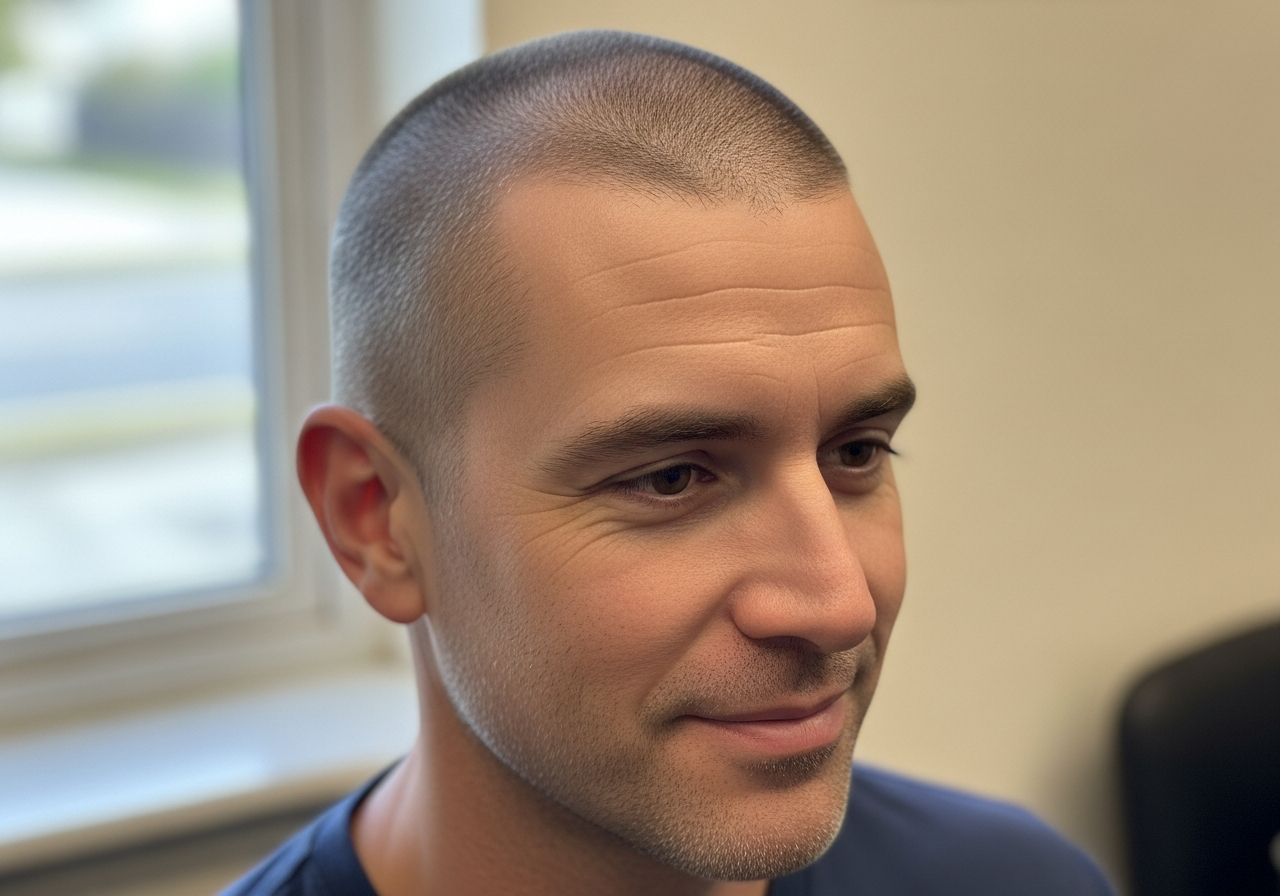
SMP or hair transplant: 5 questions that decide which one is right for you in the UK
Weighing up scalp micropigmentation against a hair transplant? Here's how they compare on cost, downtime and results, so you can choose with confidence.
Hair Tattoo (KW)
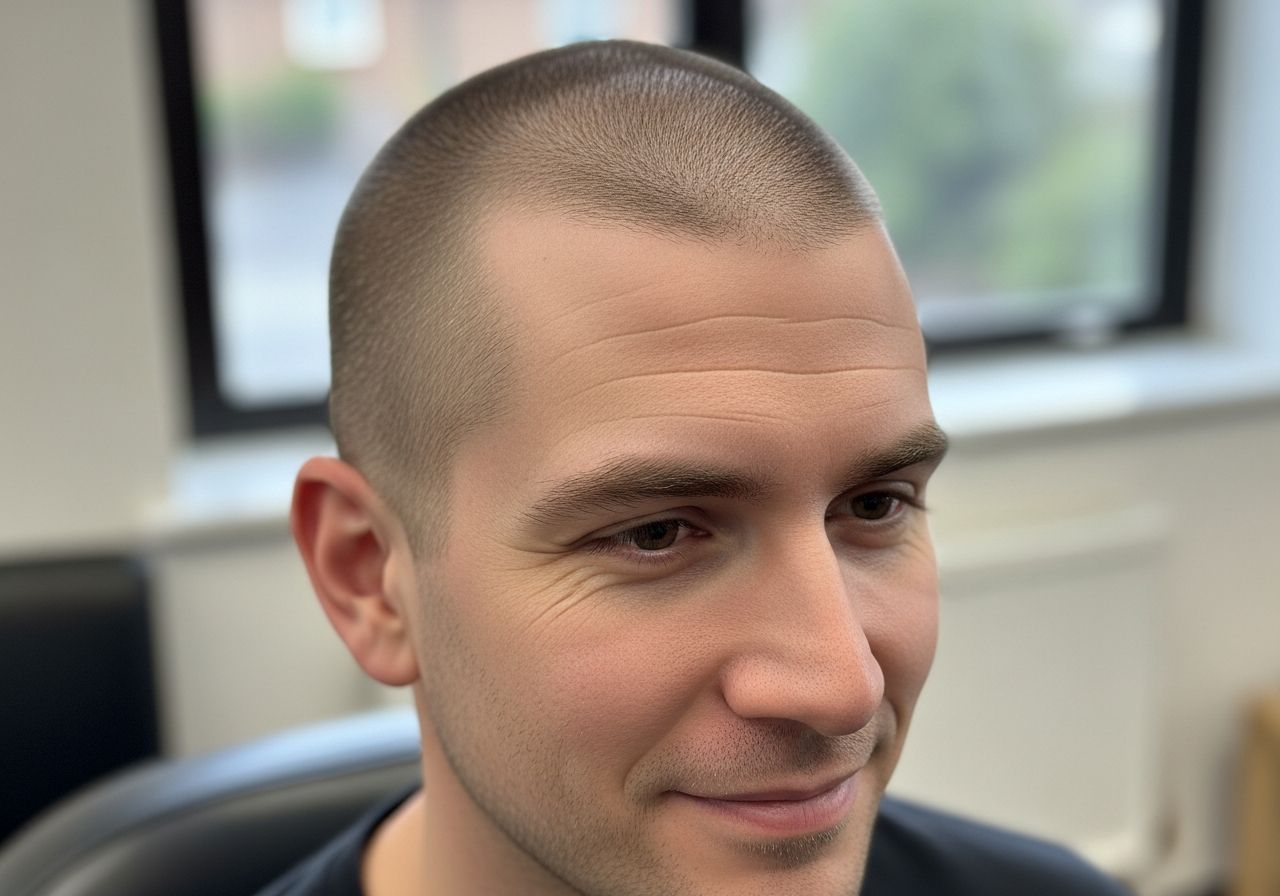
What to expect from your scalp micropigmentation appointments: sessions, gaps and healing explained
Most clients need 2–4 SMP sessions spaced 7–14 days apart. Here's exactly what happens at each appointment and why the gaps matter.
Hair Tattoo (KW)
5 things that make you a strong candidate for a hair tattoo (and 2 that rule it out)
Wondering if SMP is right for your hair loss? Here are the scalp conditions, skin types, and medical factors that determine whether you're a good fit.